
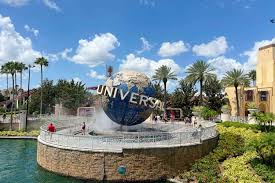
The theme park landscape in Central Florida is notoriously competitive. It’s a constant arms race for the next big thrill, the most immersive experience, or the most jaw-dropping attraction. But recently, a bold claim has surfaced, suggesting a major player isn’t just competing, but actively ‘stepping on the toes’ of a long-standing rival. The accusation? Universal Orlando is building coasters that directly challenge SeaWorld’s appeal, potentially drawing away the very ‘casual guests’ who once flocked to SeaWorld primarily for its rides.
For years, SeaWorld Orlando carved a distinct niche in the crowded Orlando market. It wasn’t just about the marine life shows and conservation efforts; it was also a go-to destination for serious roller coaster enthusiasts. Attractions like Mako, Kraken, and Ice Breaker have consistently ranked among the best, offering high-speed thrills and unique layouts. SeaWorld offered a different kind of theme park experience, blending education with adrenaline. Many visitors, perhaps not deeply invested in marine biology, chose SeaWorld specifically for its impressive lineup of scream-inducing rides.
Now, Universal is making massive moves. With the highly anticipated Epic Universe and continuous investments in cutting-edge, IP-driven coasters (think VelociCoaster at Islands of Adventure), they are undeniably raising the bar for thrill-seekers. These aren’t just new rides; they are immersive, story-rich experiences that leverage Universal’s vast catalog of popular intellectual properties. When families plan their vacations and look for ‘the best coasters,’ Universal’s recent additions are undeniably part of that conversation, potentially overshadowing what SeaWorld brings to the table for ride enthusiasts.
This shift creates a crucial challenge for SeaWorld. If a significant portion of their audience is drawn by pure coaster power, and Universal is now delivering that in spades, what’s SeaWorld’s next move? The argument being made is that SeaWorld should “double down on what can’t be replicated: world-class zoological experiences.” This is where SeaWorld truly holds an advantage. No other major park in Central Florida offers the same depth of marine animal encounters, educational exhibits, and genuine commitment to animal rescue and rehabilitation. It’s a unique selling proposition that sets them apart from the cartoon characters and wizards of their competitors.
However, this isn’t about abandoning roller coasters. The smart play, as suggested, is to integrate these thrill rides into SeaWorld’s core zoological identity. The Manta coaster is a prime example of this successful integration. Riders literally soar and dive over marine habitats, experiencing both the thrill of the ride and a unique perspective on the park’s animal residents. Imagine more attractions that blend high-speed excitement with compelling narratives of ocean exploration, animal migration, or conservation efforts. This approach transforms a roller coaster from just a ride into an extension of the park’s unique mission.
This strategy could offer significant benefits. Firstly, it differentiates SeaWorld from the direct coaster competition, allowing them to carve out a unique space that rivals cannot easily replicate. Secondly, it strengthens their core brand identity, appealing to guests who seek both entertainment and educational value. It’s about offering a cohesive, distinct experience that leverages their strengths. Of course, such a strategic shift requires considerable investment and careful execution. The challenge lies in maintaining their appeal to thrill-seekers while truly showcasing their unparalleled zoological offerings in an innovative way.
Ultimately, the competitive pressures in Orlando demand strategic thinking. SeaWorld has a clear path to maintain its relevance and unique position in the market. The question is not whether they should adapt, but how effectively they will lean into their one-of-a-kind zoological identity, with their coasters playing a supporting, integrated role, to continue drawing guests in an ever-evolving theme park landscape.