
Remember Six Flags? The gritty, coaster-heavy alternative to the polished theme park giants? Well, if you thought you knew the “King of Thrills,” you might need to recalibrate your expectations. The company, a long-time staple for regional adrenaline junkies, is in the middle of what can only be described as a high-stakes, multi-billion-dollar gamble, and the outcome will reshape the entire theme park landscape by 2026.
Here’s the cold, hard truth: Six Flags has been facing some “alarming” financial turbulence. After a post-pandemic boom for many in the entertainment industry, Six Flags found itself struggling to keep guests coming through the turnstiles. Reports highlight a significant decline in foot traffic compared to its competitors. Why the exodus? A previous strategy to “premium-ize” the parks by jacking up prices and slashing discounts reportedly backfired, alienating the very middle-class families who rely on those affordable season passes. So, fewer people are showing up, and even those who do are spending less on things like food, merchandise, or those coveted “skip-the-line” passes. This isn’t just a bump in the road; it’s a gaping hole in their business model, especially with Universal Orlando’s Epic Universe looming large in 2025, ready to pull guests away with its own brand of “epic.”
But here’s where the story gets interesting, or perhaps, unsettling. Six Flags isn’t just sitting idle. Their biggest play, their Hail Mary if you will, is a massive merger with former rival Cedar Fair. We’re talking a multi-billion-dollar deal that has effectively created a new theme park behemoth. This combined entity now boasts a portfolio of 42 parks across North America. Think about that: 42 parks under one umbrella. This isn’t just about getting bigger; it’s about sheer survival and operational synergy.
Over the next year and a half, the newly formed Six Flags Entertainment Corporation is reportedly “trimming the fat.” This involves a major overhaul: consolidating corporate offices, streamlining supply chains to save hundreds of millions in overhead costs, and rolling out unified mobile apps and pass-holder systems that will, theoretically, work across both Six Flags and Cedar Fair properties. And for the fans, there’s even the tantalizing prospect of intellectual property crossovers, potentially bringing beloved Peanuts characters (think Snoopy) into parks previously dominated by DC Comics heroes like Batman and Superman, and vice-versa. That’s a big change, no matter how you slice it.
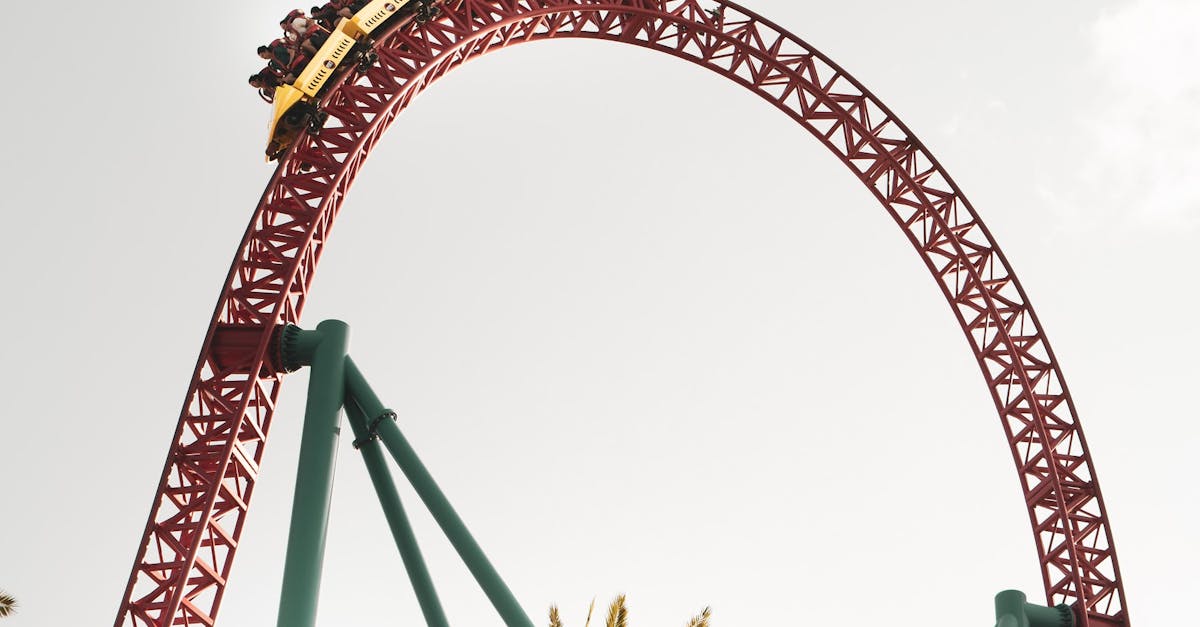
The target for this grand experiment? 2026. That’s the year they need to prove this merger was worth every penny. What can guests actually expect? For starters, a significant shift in the season pass model. The expectation is a return to “value” for families, moving away from those high-cost barriers and focusing on getting as many people through the gates as possible, hoping to boost that crucial secondary spending. You might see a renewed push for “record-breaking” thrills, too, with announcements of ultra-fast giga coasters and hybrid wooden-steel rides that promise big thrills with less maintenance.
And for those who’ve long complained about the food at Six Flags? Good news might be on the horizon. The company is aiming to adopt Cedar Fair’s reputation for high-quality, “festival-style” food offerings. The idea is simple: better food encourages guests to stay longer and spend more.
However, it’s not all sunshine and new roller coasters. The intense financial pressure means not every park in this new 42-property empire is safe. Industry analysts are openly speculating that underperforming locations, or parks that simply overlap too much in certain regions, might face “rebranding” or, in extreme cases, outright closure. The capital, after all, needs to be focused on the most profitable “flagship” parks. So, that local park you’ve loved for years? Its future could be hanging in the balance.
This is arguably the most complex “re-tracking” in theme park history. While those declining attendance numbers were a flashing red light, the Cedar Fair merger provides a potential safety net and a proven operational blueprint. If the new company can successfully integrate its vast systems, streamline operations, and lure families back with a compelling mix of value passes and high-octane thrills, then 2026 truly could be a monumental comeback story. If not? Well, the “King of Thrills” might find itself stuck at the bottom of the steepest drop, permanently. Your theme park experience, for better or worse, is about to change dramatically.