
So, it seems another piece of history is quietly fading away, almost without a peep. Six Flags Magic Mountain, that titan of California thrills, has filed the paperwork to tear down not one, but two of its classic attractions. And one of them, folks, carries a weight far heavier than its simple steel structure suggests. It’s a ride that predates Disneyland and directly inspired the man himself, Walt Disney.
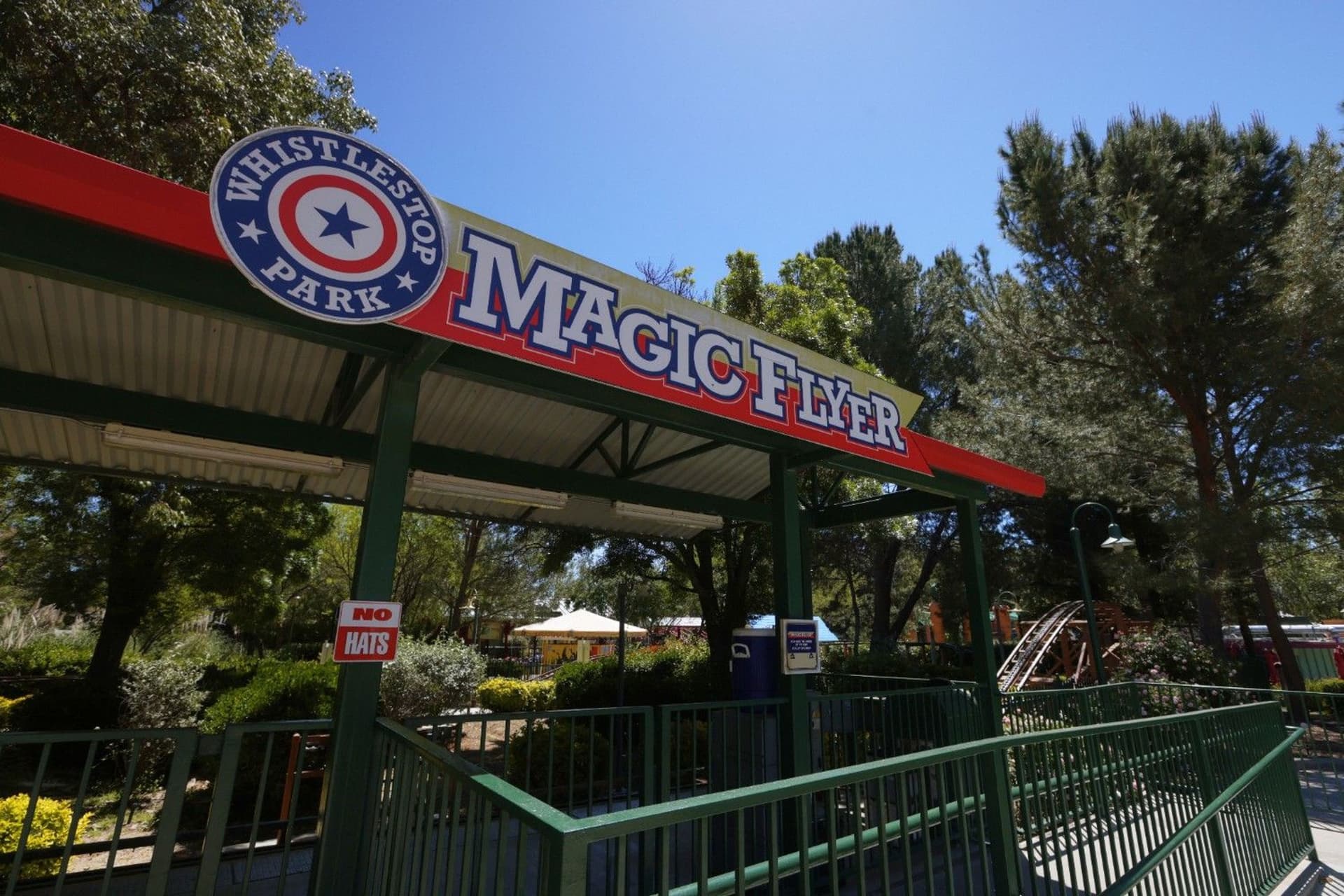
Fact is, on December 8, the park in Valencia submitted demolition permits to Los Angeles County. One is for ‘Attraction Number #2215,’ believed to be Tweety’s Escape, a swing ride that’s been gently circling since 1985. It’s a classic, sure, a memory for many, but the real story lies with the other one: ‘Attraction Number #2208,’ a steel kids roller coaster known as the Magic Flyer. This isn’t just any old kiddie coaster; its roots run deep into the very soil of California’s amusement park heritage.
The Magic Flyer has been at Magic Mountain since 1970, going by names like Percy’s Railway. But its true origin story begins long before that, as the Little Dipper at Beverly Park. Beverly Park was a lost Los Angeles amusement park that opened in 1945, and here’s where it gets interesting: Walt Disney was a regular visitor. He saw these kids’ rides, observed families, and those experiences were a direct inspiration when he famously said, after opening Disneyland in 1955, that he wanted an “amusement enterprise built where the parents and the children could have fun together.” The Little Dipper, operating there from 1947 to 1970, was absolutely one of the rides Disney saw, pondered, and assessed while planning his own magical kingdom. Think about that for a second. A direct link to the genesis of Disneyland, now slated for the scrap heap.
Now, why is this happening? Well, let’s look at the numbers. Six Flags, Magic Mountain’s parent company, isn’t exactly riding high. They reported a $31 million loss year-over-year in their third-quarter earnings for 2025. Attendance actually went up, which is something, but guests just aren’t spending as much once they’re inside the gates. Spending per guest is down 4%. This financial pressure led to a change at the top, with a new CEO, John Reilly, stepping in just days before these demolition permits were filed. And let’s not forget NFL star Travis Kelce and his investment firm recently took a significant stake, even pitching his own ideas for a mega roller coaster. All signs point to a company desperate to shake things up and boost the bottom line.
The park, for its part, states these changes are “part of a much larger plan to enhance the guest experience for families.” They say they’re looking forward to sharing “exciting details soon,” hinting at new attractions, including a “first-of-its-kind” coaster. So, on one hand, you have the corporate narrative: out with the old, in with the new, progress, excitement, better experiences. And that’s not entirely untrue. New rides can draw crowds, create new memories, and bring in that much-needed revenue. For families looking for the latest thrill, this could be a good thing, a promise of a fresher, more engaging park.

But the fact remains, a piece of living history, a direct connection to the very origins of theme park magic in California, is being erased. It’s the age-old dilemma: do you preserve the past, or pave over it for the future? Six Flags is making its choice, and it’s a stark reminder that even the most nostalgic parts of our entertainment landscape are ultimately subject to economic realities and corporate strategies. It makes you wonder what else might quietly disappear next. And what exactly are we gaining in return for letting go of these silent witnesses to history?
