
A new document just landed, and it’s got everyone talking about a fifth theme park at Walt Disney World. The Central Florida Tourism Oversight District (CFTOD) has approved the 2045 Comprehensive Plan. And yes, in black and white, it allows for a fifth major theme park. You read that right. A whole new, full-sized park, potentially even two smaller ones, are now on the books for zoning and land use. Naturally, the internet went wild.
But let’s pump the brakes a bit. This isn’t a secret blueprint or a leaked concept art for “Villains Land” or whatever fantasy park you’ve been dreaming up. What we’re actually looking at is a nearly 400-page bureaucratic document. It’s the result of a settlement between Disney and the CFTOD, basically rewriting the rulebook for land use through 2045. It means Disney and the District collaborated on this. And a big part of that agreement? Disney committing to invest $17 billion into Walt Disney World over the next 10 to 20 years, with at least $8 billion in the first decade. So, yes, money is being spent. But on what, exactly?
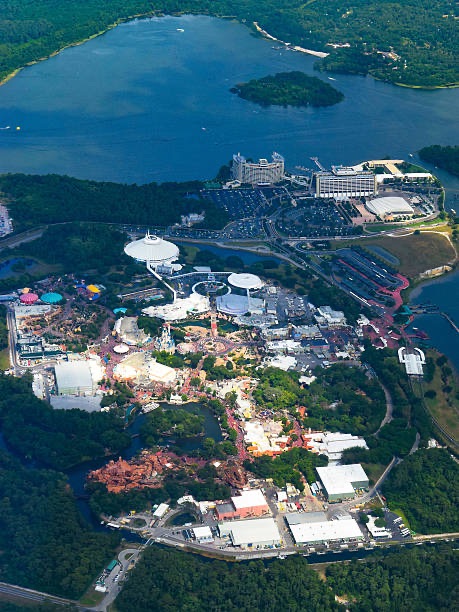
The 2045 plan sets aside around 445 acres for a potential major theme park – think Magic Kingdom scale – and another 147 acres for up to two minor parks, like a water park or ESPN Wide World of Sports. The window for a new major park opens in 2035. The plan technically provides the *ability* to build these things, should the company ever decide to. It’s like your town zoning your backyard for a shed. Doesn’t mean you’re building one next week, or ever, just that you *could*.
Here’s where reality kicks in. Disney has been pretty clear, especially current CEO Bob Iger and Parks Chairman Josh D’Amaro. Their focus? Expanding the *existing* parks. They talk about adding to what’s already there, not breaking ground on something entirely new. Why? It’s about efficiency. Building a brand-new theme park from scratch means roads, parking, backstage facilities, new utility lines – all massive infrastructure costs that are largely unnecessary if you’re just expanding inside the current park berms.
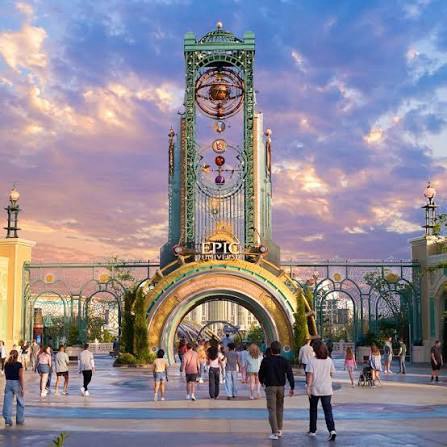
Then there’s the money. Universal’s Epic Universe, a phenomenal new park by all accounts, cost around $7 billion before inflation really hit. If Disney were to build a comparable fifth gate today, you’re looking at an easy $10 to $15 billion. That’s a huge chunk of change. And the jury’s still out on whether Epic Universe will be the massive commercial success Universal hopes for, especially when some of its initial crowd issues are due to capacity constraints, not overwhelming attendance. Just because a third gate makes sense for Universal, which is still trying to establish itself as a multi-day destination, doesn’t mean a fifth gate is right for Disney World, which already *is* that destination.
Let’s be honest: Animal Kingdom often feels like a half-day park. Hollywood Studios needs more family-friendly rides to balance out its headliners. Even EPCOT, post-overhaul, could use more in World Showcase and the front of the park. There’s acres of unused or underutilized land in these existing parks. Imagineering could dream up billions of dollars worth of fantastic additions that would improve the guest experience exponentially, without the added cost and logistical nightmare of a whole new park.
And what about the labor? Central Florida’s job market is tight. A massive new park would demand thousands of new cast members, compounding an already strained system. Plus, a new park could cannibalize attendance from the existing four, potentially making some of them even less viable. Why build a new shiny object when you could make your current jewels sparkle brighter?
So, while it’s fun to daydream about a whole new Disney park, the practical reality points elsewhere. This 2045 plan is more about keeping options open and future-proofing land use than signaling imminent construction. Disney’s past dealings, like with DisneylandForward in California, show they like to get the approvals for grand visions, but the actual execution tends to be more constrained and focused on optimizing existing assets. It’s not bad news, mind you. It’s just a different kind of news than some folks were hoping for.