
A curious development out of North Richland Hills, Texas, has caught the attention of the wider entertainment world: The Peppa Pig Theme Park, a relatively new player on the scene, has been crowned one of USA Today’s Top 10 Best New Attractions for 2025. It’s a headline that might make you scratch your head, especially when you consider the titans of the industry this park now shares a list with.
Opened on March 1, 2025, this cheerful, porky paradise quickly made waves, snagging the seventh spot on USA Today’s prestigious Readers’ Choice Awards. What’s more, it stands as the *only* Texas-based attraction to make the cut. So, what exactly is happening here? Is a cartoon pig about to upend the established order of theme park entertainment, or is this award simply shining a light on a very specific, and often underserved, market?
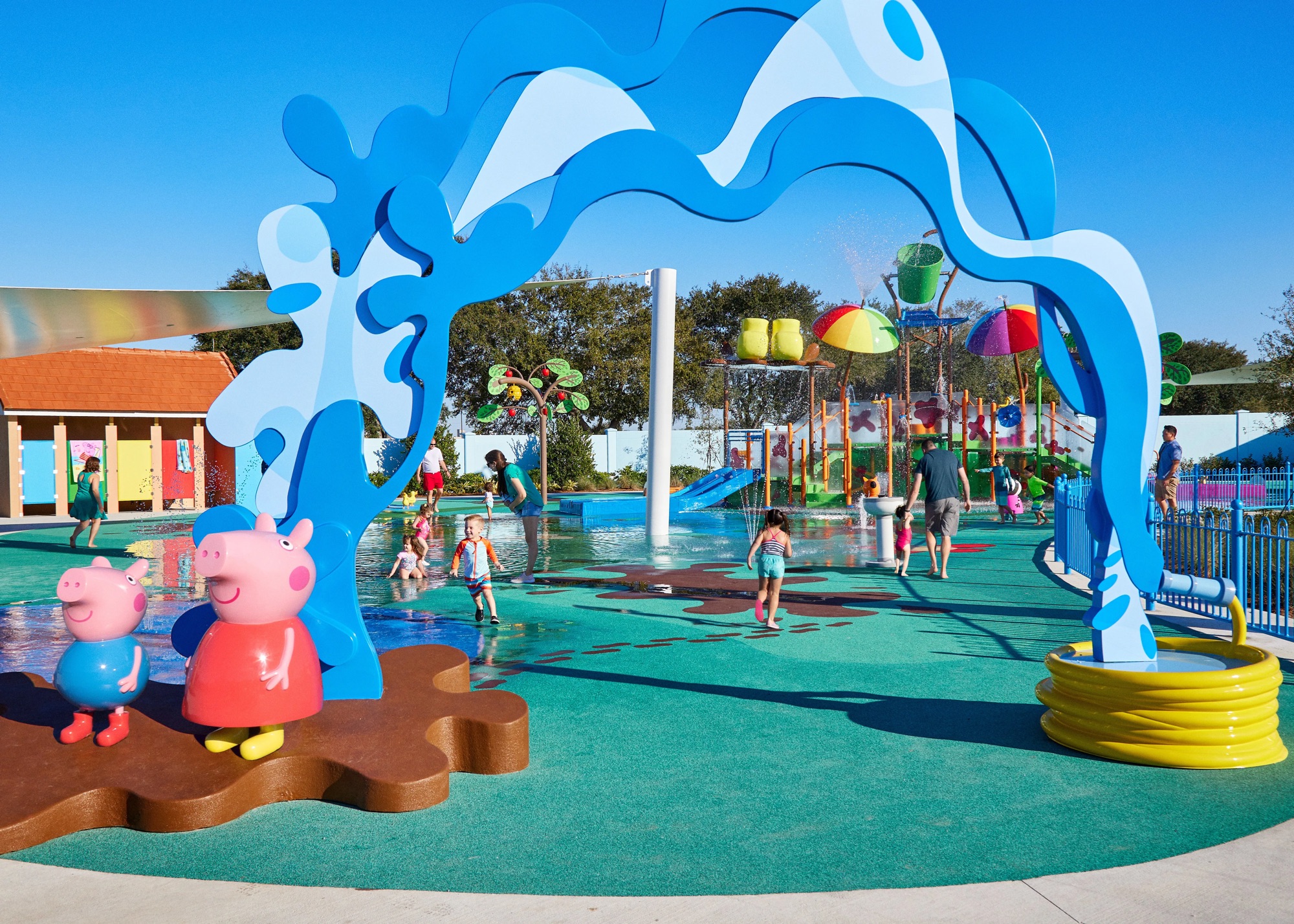
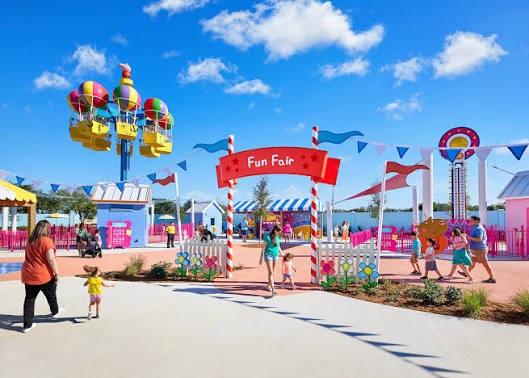
The park’s allure, according to USA Today, lies in its ability to deliver “age-appropriate thrills without the meltdown-inducing intensity of bigger parks.” For any parent who’s navigated the labyrinthine queues and overstimulating environments of massive theme parks with a toddler in tow, this description probably sounds like a breath of fresh air. Peppa Pig Theme Park offers five rides and nine distinct play areas, all meticulously designed for children aged 6 and under. It’s a focused approach, aimed squarely at providing a first-ever theme park experience that’s genuinely enjoyable for the youngest guests and, crucially, for their parents.
But let’s be honest, an attraction featuring a talking pig receiving national recognition usually reserved for sprawling resorts or cutting-edge roller coasters does prompt a few raised eyebrows. Does this mean the days of monumental, multi-million dollar attractions are numbered? Hardly. What it *does* signal, however, is a clear demand for niche, purpose-built entertainment. Parents aren’t just looking for bigger and faster; they’re looking for tailored experiences that cater directly to their children’s developmental stage and interests, minimizing stress and maximizing simple fun.
Merlin Entertainments, the force behind the park, sees this national recognition as validation. John Sullwold, representing Merlin, noted in a press release that the park “brings Peppa’s world to life with whimsical rides, splash zones, and interactive play areas perfect for families with young children.” This isn’t just a local phenomenon; the North Richland Hills park is the third of its kind globally, following successful ventures in Central Florida and Germany. This global expansion underscores a calculated strategy: tap into beloved children’s IPs and create environments that are scaled perfectly for that demographic.
So, while other parks on the list might boast record-breaking drops or immersive lands for teenagers and adults, Peppa Pig Theme Park’s placement highlights a different kind of success. It’s a success measured not in G-forces, but in giggles; not in towering heights, but in accessible fun for the littlest ones. The question remains: as these smaller, specialized parks gain traction and national accolades, will the bigger players start paying closer attention to the quieter, less intense side of the theme park market? Or will they simply dismiss this as a win for the ‘Porky Paradise’ of North Texas, leaving families with young children to continue seeking out these tailored, delightful experiences on their own?