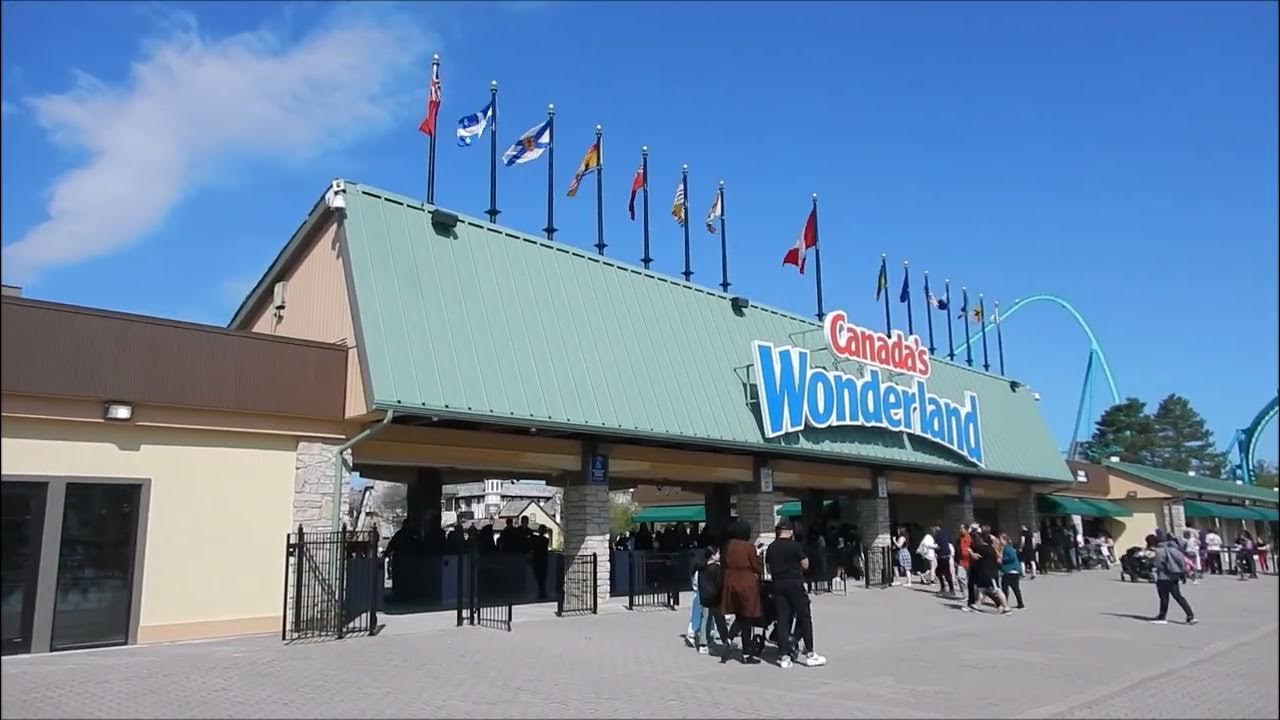

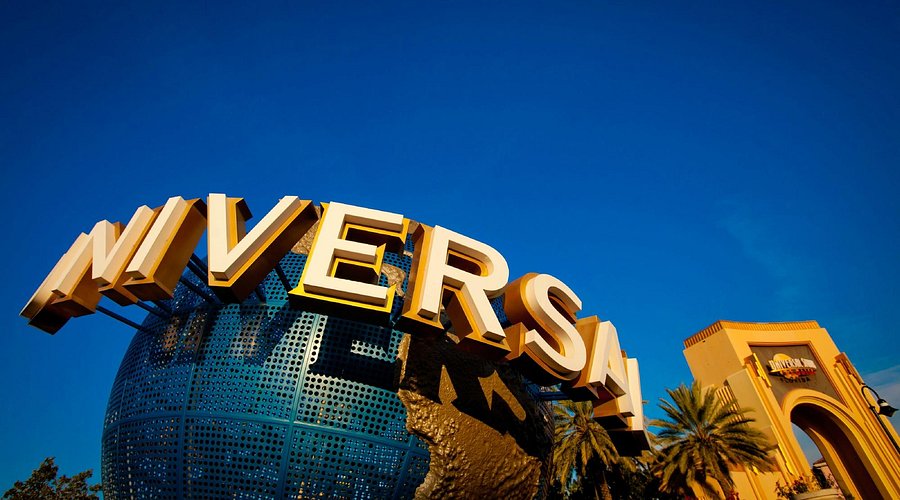
It looks like one of the biggest names in theme park entertainment, the one with the iconic spinning globe, is reportedly setting its sights on a new, perhaps unexpected, destination: Saudi Arabia. Yes, you heard that right. According to recent reports, preliminary plans are underway for a massive new Universal Studios park to land in the Kingdom. It’s a move that certainly turns heads.
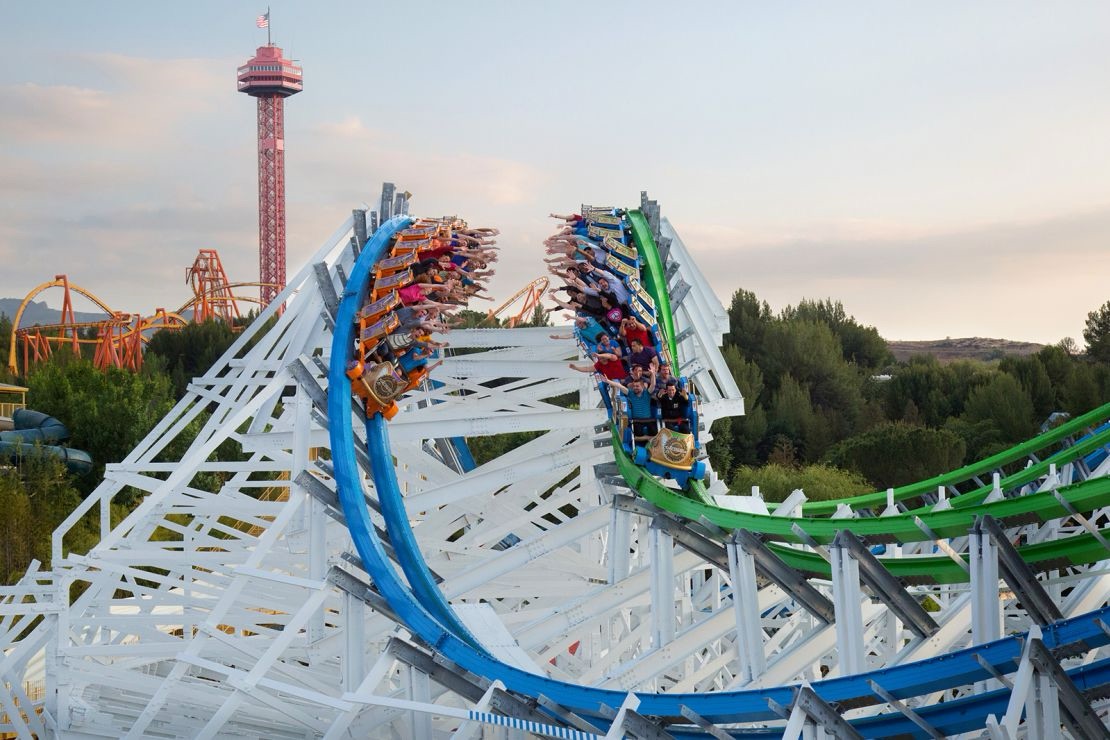
Now, on the surface, this sounds like big news for fans of high-thrill rides and cinematic experiences. More parks mean more fun, right? Potentially. But let’s peel back a layer or two here. This isn’t just about building another roller coaster. This venture, if it comes to fruition, carries a lot more weight than just adding a new Harry Potter land to the map.
The reports suggest this wouldn’t be a straightforward investment from Universal’s parent company, Comcast. Instead, it’s expected to be a licensing deal, with a Saudi government-backed entity footing the bill. Think about that for a second. A global entertainment giant, known for its American-centric storytelling and brand, potentially built and largely financed by a foreign government. It’s a structure that raises eyebrows, certainly. Is Universal truly expanding its global footprint, or is it simply lending its brand for a fee, cashing in on a region’s ambition? It’s a valid question.
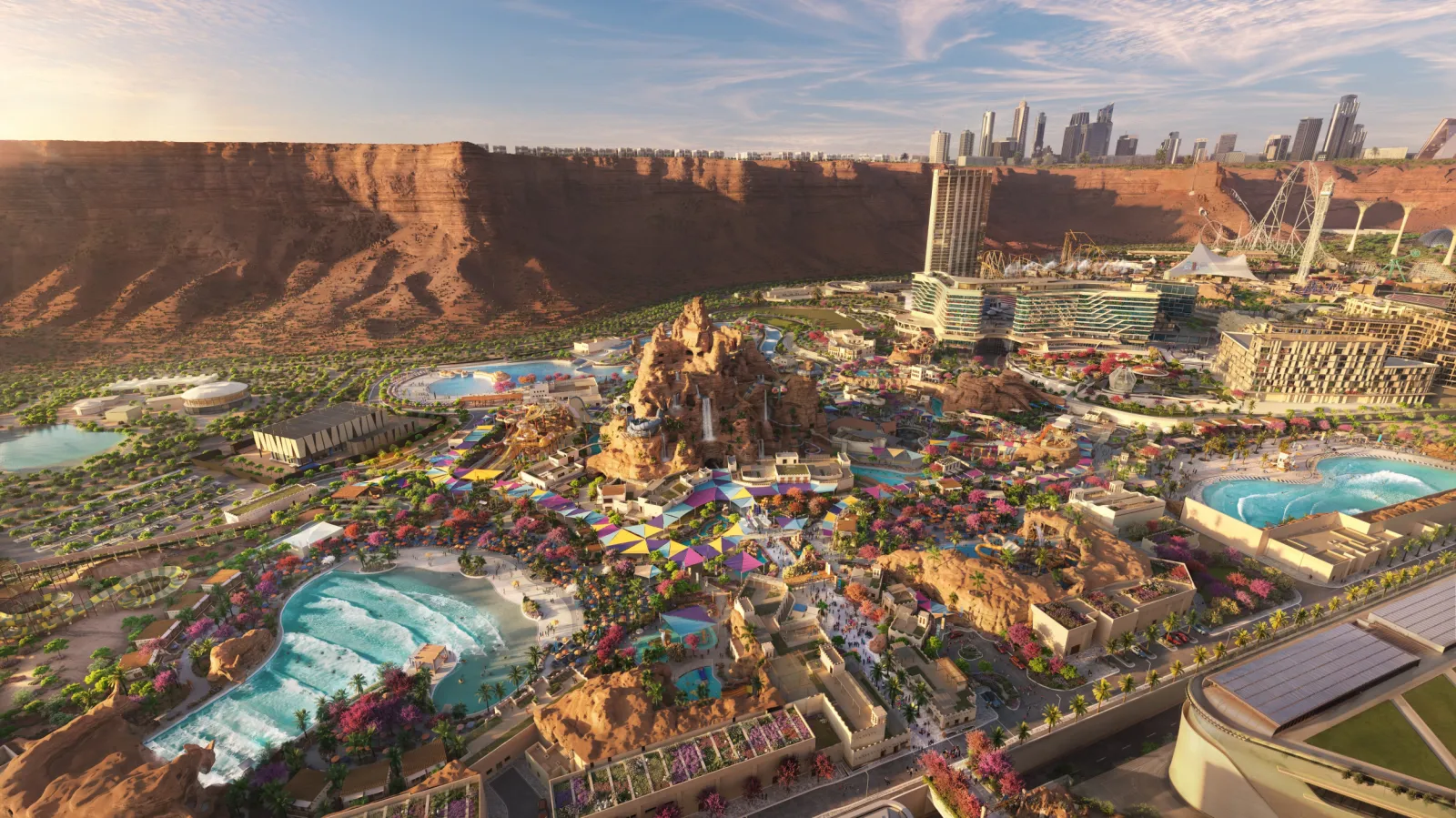
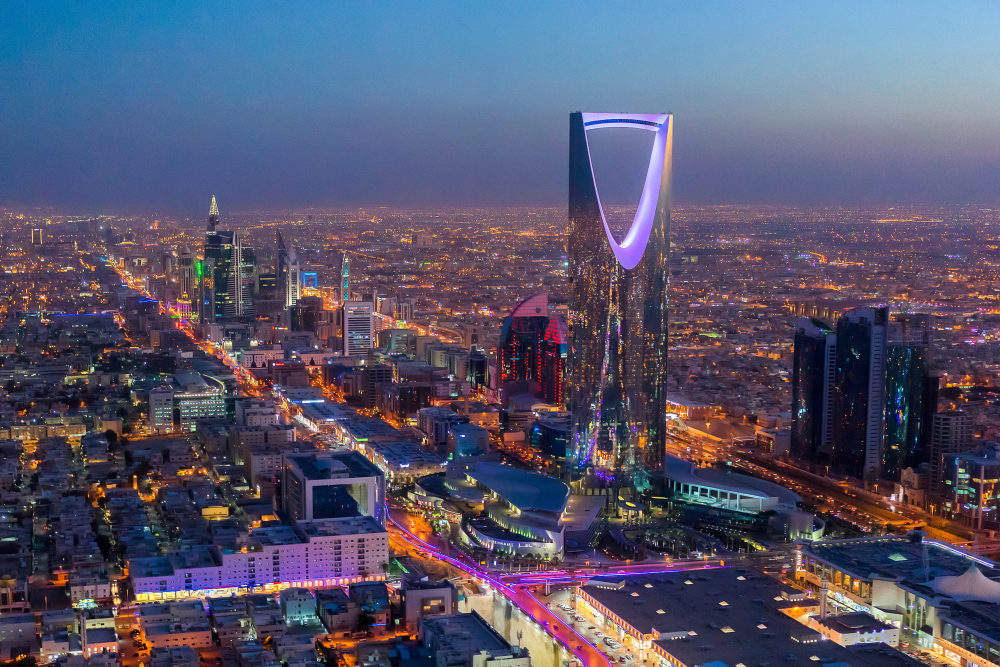
Comcast CEO Brian Roberts was reportedly in Saudi Arabia just last month. He visited the Qiddiya entertainment and sports mega-project. It’s not hard to connect those dots. The interest is clear. And it’s not entirely surprising, either. This isn’t the first time Universal has looked to expand into this part of the world. Remember Universal Studios Dubailand? It was announced in 2007 and was supposed to open in 2010 before it was abandoned. History has a funny way of repeating itself, or at least offering a cautionary tale. What makes this attempt different? The deep pockets and direct government backing, perhaps.
Of course, their biggest rival isn’t sitting still. Disney recently announced plans for a theme park in Abu Dhabi, in the UAE. So, competition is definitely a factor here. No one wants to be left out of a new, potentially lucrative market. The Middle East is pouring billions into diversifying its economy, moving beyond oil, and entertainment is a massive piece of that puzzle. For the people in the region, this could mean unprecedented access to world-class entertainment, new jobs, and a significant boost to tourism. That’s the upside, and it’s a substantial one for local economies.
But what about the brand itself? Universal’s brand identity is deeply intertwined with Hollywood, with Western pop culture. How does that translate to a conservative society like Saudi Arabia? Will we see adaptations? Censorship? Will the experiences remain true to the Universal standard, or will they be altered to fit local sensitivities? These are valid questions that loyal fans and casual observers alike might have. It’s not just about building a park; it’s about exporting a cultural experience. And sometimes, those don’t always travel perfectly intact.
Then there’s the broader context. Saudi Arabia is undergoing significant changes, but it’s also a place with a complex human rights record, a fact often highlighted by critics. Aligning a globally recognized entertainment brand so closely with the government there inevitably invites scrutiny. Is the lure of massive investment simply too strong to ignore? What are the true costs and benefits, beyond the balance sheet, for a company that often champions certain values in its home markets? It makes you think.
Ultimately, this is a developing story. Universal and Comcast haven’t said a word, which is also telling. When the plans are this big, silence can speak volumes. For now, we watch. We wonder if the desert will truly bloom with new theme park magic, or if this will be another ambitious project that fades into the sand. But one thing’s for sure: the world of theme park expansion is getting a lot more interesting, and perhaps, a little more complicated.