
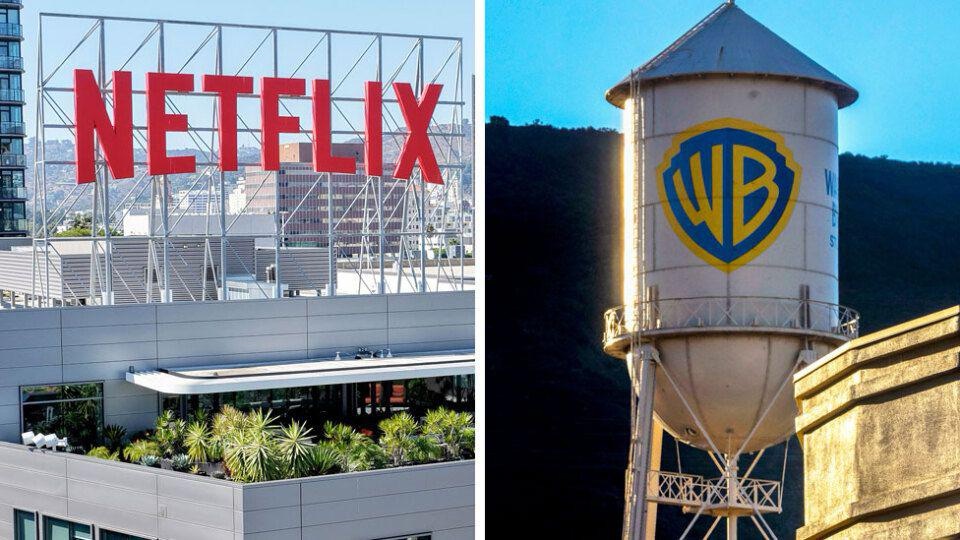
You heard it here first. A beloved character, a pillar of childhood memories for generations, might just vanish from your favorite theme park. Poof. Gone. And why? Because of a handshake deal that happened in a boardroom far, far away. We’re talking about the recent, absolutely massive, $82.7 billion acquisition of Warner Bros. Discovery by Netflix. This isn’t just about what you stream at home anymore. This is about what you experience, where you take your kids, and whether your favorite superhero still guards the roller coaster gates. The implications for the entire theme park industry are staggering.
Netflix, the company that redefined how we watch television, has been dabbling in the real world lately. They’ve given us those “experiential” pop-ups, like the “Squid Game” event in New York, and opened a couple of “Netflix Houses” in malls. Think small, contained spaces with attractions tied to shows like “Wednesday.” They’re in places like Philadelphia and Dallas, with a Vegas spot planned for 2027. But let’s be honest, these have felt more like glorified marketing stunts, a little hesitant, a dipping of the toe, not a full cannonball into the deep end of the amusement park pool.
Now, enter Warner Bros. Discovery. This isn’t some tiny studio. This is a century-old behemoth with an insane library of titles and intellectual property – DC Comics, Harry Potter, Looney Tunes. But when it comes to theme parks, their strategy has always been… different. They don’t really *own* a massive portfolio of parks like Disney or Comcast. Instead, they license their crown jewels to other operators. Think “The Wizarding World of Harry Potter” – that’s a joint venture with studio rival Universal. And their biggest partnership? Six Flags, going way back to the ’90s. The Warner Bros. Movie World parks overseas? All run by external partners. So, WBD’s park presence isn’t about property, it’s about relationships and agreements.
So, what happens when Netflix swallows WBD whole? Netflix gets all those licenses. Yes, you heard that right. All those agreements, all those characters, all that potential revenue stream, now fall under the big red N. A WBD spokesperson even confirmed it: “Both are Warner Bros. businesses, so yes.” The streaming giant is suddenly in the amusement park business, whether they built a single turnstile or not. This isn’t just a simple handover; it’s a massive shift with consequences that could ripple through the entire industry.
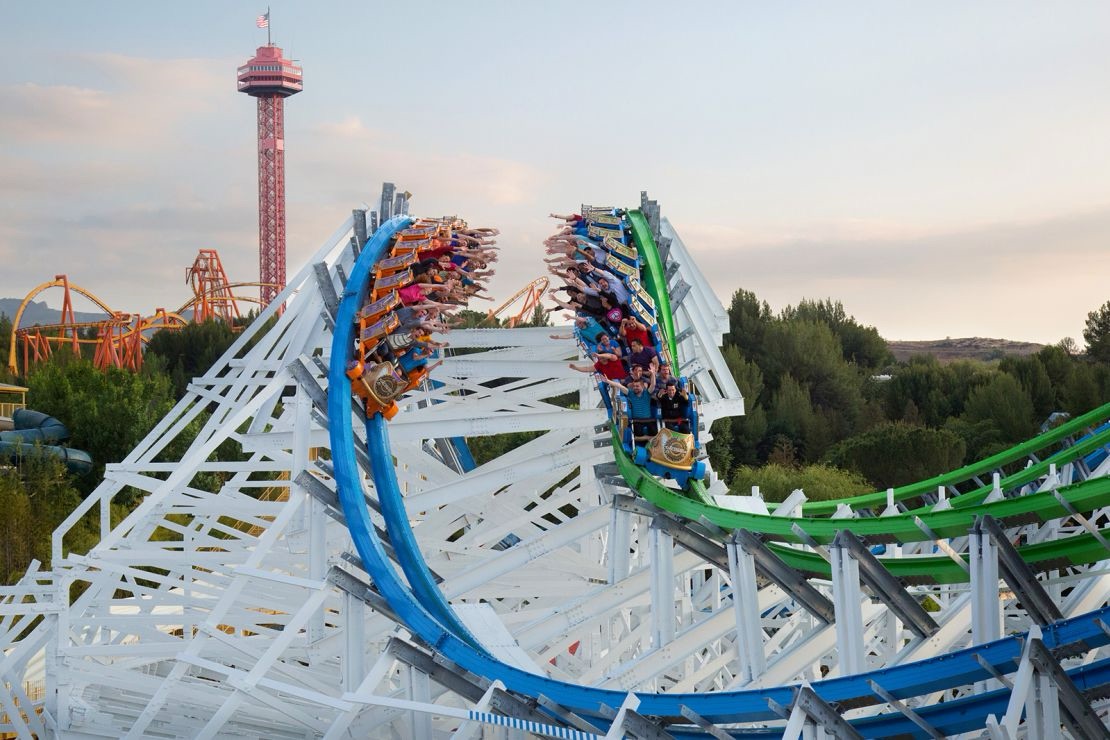
The big question, the one nobody’s really talking about, is what Netflix *does* with these new assets. Imagine if they decide to pull some of those licenses. Six Flags, for example, could find itself in a pretty precarious spot. They’ve faced closures and layoffs, even had investors like Travis Kelce trying to prop them up. What does Six Flags look like without Bugs Bunny, or more critically, without Batman, Superman, and Wonder Woman? Think about the “Superman Kryptonite Coaster” at Six Flags Fiesta Texas. If Netflix decides to take their ball and go home, what’s left? This isn’t just about corporate logos; it’s about the very identity of these parks, and the rides millions of people grew up loving.
On the flip side, this could be the moment Netflix stops dipping its toes and finally dives in. Maybe those Netflix Houses were just the appetizer. What if they use these existing Six Flags relationships as a proving ground to learn the ropes of managing actual theme parks? The potential to become a true entertainment conglomerate, on par with Disney, is real. Think of the new IP they could bring: imagine a “Stranger Things” land, or a “Wednesday” themed dark ride. The innovation could be staggering, bringing fresh stories to the park landscape. More competition, more choice, more amazing experiences for guests could emerge from this seismic shift.
But then there are the complex relationships. Universal isn’t going to just hand over Harry Potter. “The Ministry of Magic” is set to be a marquee world in Universal’s Epic Universe. Will Netflix try to reclaim it, or will they have to continue the uneasy truce? And while Universal itself is exploring smaller-scale theme park experiences, much like Netflix’s current Houses, the idea of them partnering to put “Stranger Things” in a Universal park after a failed bid to *buy* Warner Bros. seems a bit… strained. It’s a delicate dance, full of potential missteps and awkward conversations.
So, this isn’t just another corporate merger. This is Netflix, a company that changed how we watch TV, now looking to change how we play. The stakes are incredibly high, not just for the boardrooms, but for every family planning their next theme park vacation. Will our beloved characters stick around, or will they be shuffled off to make room for the new guard? It’s a fundamental shift, and we’re all just waiting to see if it’s for the better, or if some classic cartoon character just got “cancelled” by the suits upstairs.